





Benefits of Combining Japanese Educational Values with International Teaching Methods

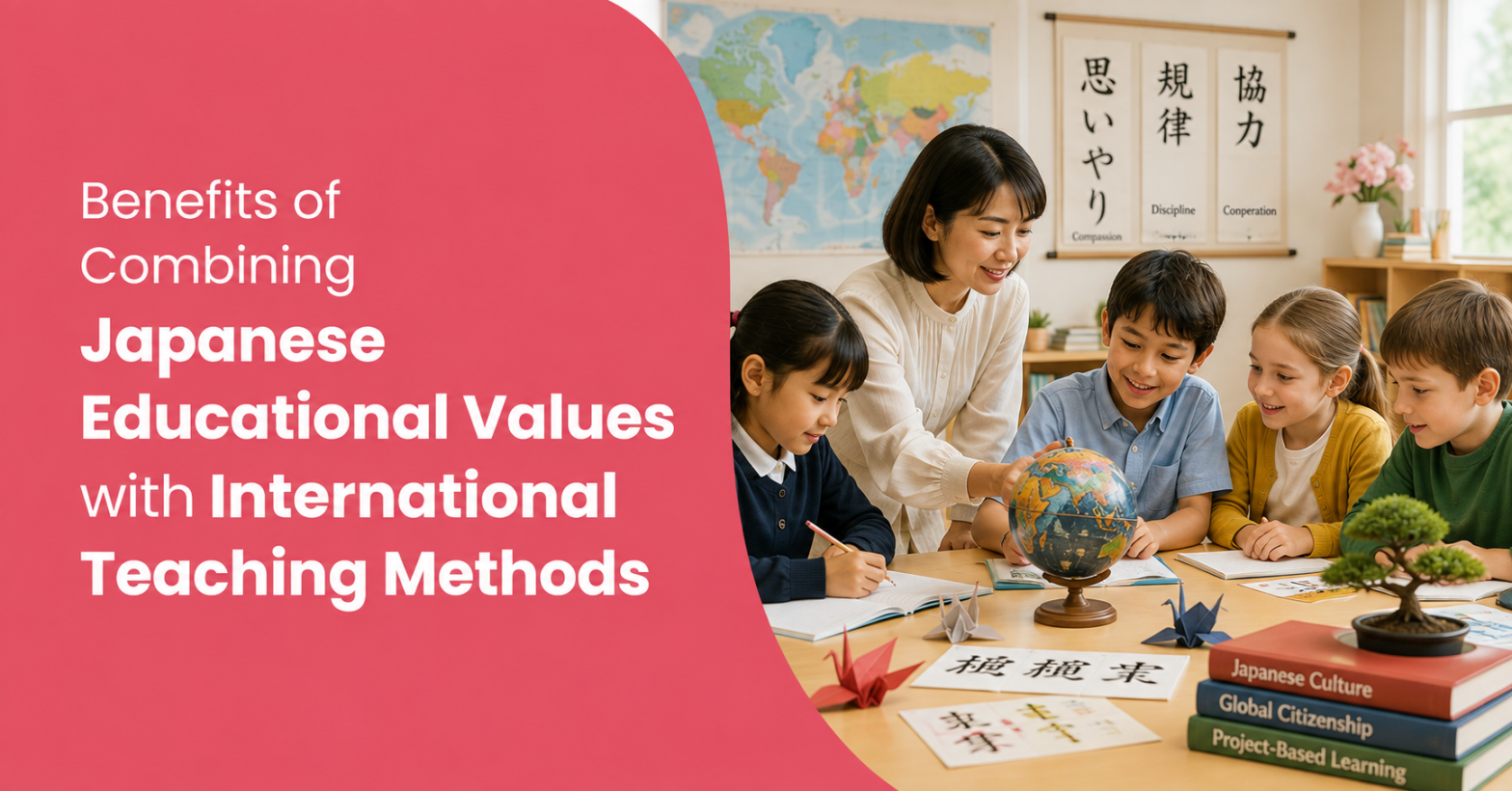
Key Highlights
- Japanese educational values promote discipline, respect, responsibility, and teamwork.
- International teaching methods encourage creativity, communication, and independent thinking.
- A balanced approach supports holistic child development during early years.
- Cultural learning helps children become adaptable and globally aware.
- A blended education model creates confident and future-ready learners.
Table of Contents
- Introduction
- About Us
- Why Is Combining Japanese Values with International Education Beneficial?
- How Do Japanese Learning Principles Support Early Childhood Development?
- Why Are International Teaching Methods Important for Young Learners?
- How Does a Balanced Educational Approach Prepare Children for the Future?
- Conclusion
- FAQs
Introduction:
Early childhood education plays a significant role in shaping a child’s personality, learning habits, and approach towards the world. At Fuji Infinity, the Best Preschool in Gurgaon where as education continues to evolve, parents are increasingly looking for learning environments that combine strong values with modern teaching approaches. A balanced educational model helps children develop not only academic readiness but also essential qualities such as confidence, creativity, responsibility, and social awareness.
About Us:
FUJI Infinity focuses on creating a meaningful early learning experience by integrating value-based education with modern learning approaches. The preschool environment encourages children to develop confidence, curiosity, and essential skills through engaging activities and supportive guidance.
The approach combines structured learning experiences with opportunities for exploration, creativity, and independent thinking. By blending cultural values with contemporary teaching practices, the preschool aims to nurture children who are prepared for future academic and personal challenges.
Why Is Combining Japanese Values with International Education Beneficial?
Japanese education focuses on developing responsible individuals who understand the importance of respect, discipline, and teamwork. International teaching approaches, on the other hand, encourage creativity, critical thinking, and global awareness.
When these approaches come together, children benefit from both strong values and modern skills.
| Japanese Educational Values | International Teaching Methods |
| Discipline and responsibility | Creativity and innovation |
| Respect for others | Independent thinking |
| Teamwork and cooperation | Communication skills |
| Consistency and focus | Exploration-based learning |
This combination helps children develop:
- Strong social skills.
- Confidence in expressing ideas.
- Respect for different perspectives.
- Problem-solving abilities.
- A positive attitude towards learning.
A blended educational approach creates learners who are not only knowledgeable but also emotionally and socially prepared.
How Do Japanese Learning Principles Support Early Childhood Development?
Japanese education places strong importance on character building from an early age. Children are encouraged to develop responsibility, independence, and respect through everyday activities.
These values help children understand the importance of discipline while building positive habits.
Key principles include:
Responsibility and Independence
Children are encouraged to complete age-appropriate tasks independently, helping them develop confidence and self-reliance.
Benefits include:
- Improved decision-making skills.
- Greater confidence in daily activities.
- Better understanding of responsibilities.
Respect and Teamwork
Japanese learning practices encourage children to value cooperation and respect others.
Children learn:
- How to work effectively in groups.
- How to appreciate different opinions.
- How to communicate politely.
Focus and Consistency
Regular routines help children develop concentration and discipline, creating a strong foundation for future learning.
Why Are International Teaching Methods Important for Young Learners?
Modern international education focuses on preparing children for a rapidly changing world. It encourages curiosity, creativity, communication, and adaptability.
Instead of limiting learning to textbooks, international approaches provide opportunities for children to explore concepts through practical experiences.
International teaching methods support:
| Skill Area | Learning Approach |
| Creativity | Art, storytelling, and innovative activities |
| Communication | Discussions and collaborative learning |
| Critical Thinking | Problem-solving activities |
| Confidence | Presentations and interactive experiences |
Benefits of international teaching methods include:
- Encouraging children to ask questions.
- Developing independent thought processes.
- Improving communication abilities.
- Building awareness of diverse cultures.
- Supporting creativity and imagination.
These skills help children become adaptable learners who can confidently navigate future challenges.
How Does a Balanced Educational Approach Prepare Children for the Future?
The future requires individuals who can combine knowledge with important personal skills. A balanced educational model helps children develop emotional intelligence, creativity, and social responsibility along with academic abilities.
By combining Japanese values with international learning practices, children learn how to:
- Respect others while expressing their own ideas.
- Work independently while collaborating with peers.
- Follow routines while exploring creativity.
- Understand different cultures and perspectives.
Educators play an important role in creating learning experiences that balance structure with freedom. This approach allows children to explore their interests while developing essential values.
A globally inspired yet value-driven education prepares children to become confident learners who can adapt to changing environments.
Conclusion:
Combining Japanese educational values with international teaching methods creates a powerful foundation for early childhood development. While Japanese principles strengthen discipline, respect, and responsibility, international approaches encourage creativity, communication, and independent thinking.
FAQs:
- How does FUJI Infinity combine Japanese values with modern education?
The approach blends discipline, respect, and responsibility with creativity and global learning practices. - What benefits do children gain from value-based education?
Children develop confidence, teamwork, independence, and respect for others. - Why is FUJI Infinity considered among the Top International Play Schools?
The school provides a balanced approach that combines cultural values with international teaching methods. - How do Japanese educational principles support child development?
They encourage responsibility, focus, cooperation, and positive learning habits. - Why are international teaching methods useful for young learners?
They promote creativity, communication, critical thinking, and adaptability. - How does a blended educational approach prepare children for the future?
It helps children develop both strong values and essential skills required in a changing world.
1 comment