





How a Child-Centric Learning Environment Shapes Confident Young Learners

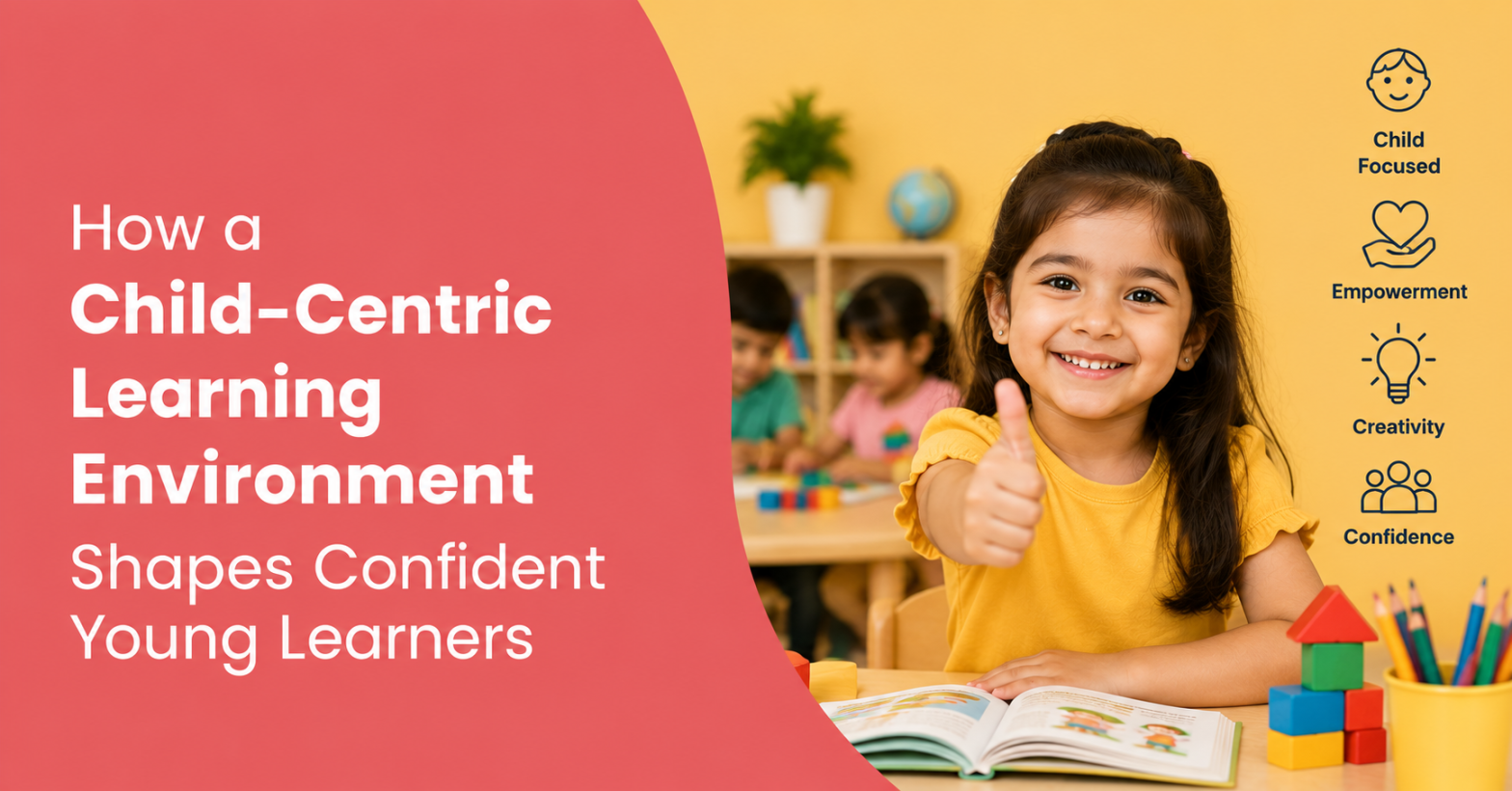
Key Highlights
- Child-focused education encourages curiosity, creativity, and independent thinking.
- A nurturing learning environment helps children develop confidence from an early age.
- Play-based activities support cognitive, emotional, and social development.
- Strong parent-school collaboration builds a positive foundation for lifelong learning.
- A personalised approach helps every child learn at their own pace.
Table of Contents
- Introduction
- About Us
- Why Does a Child-Centric Learning Environment Matter in Early Education?
- How Does Personalised Learning Build Confidence Among Young Learners?
- Why Are Life Skills Important in Preschool Education?
- How Does a Supportive Classroom Environment Shape Future-Ready Children?
- Conclusion
- FAQs
Introduction:
The early years of childhood play a significant role in shaping a child’s personality, confidence, and approach towards learning. At Fuji Infinity International Preschool, the Best Preschool in Gurgaon, it is not only a place where children learn alphabets, numbers, or basic concepts; it is an environment where they develop communication skills, emotional awareness, problem-solving abilities, and social confidence. Modern early education focuses on creating experiences that allow children to explore, question, and learn through meaningful interactions.
About Us:
FUJI Infinity focuses on creating an engaging and supportive early learning experience where children feel valued, encouraged, and motivated to explore. The approach combines structured learning with hands-on activities, allowing young learners to develop essential skills while enjoying the process of discovery.
How Does a Child-Centric Learning Environment Matter in Early Education?
A child-centric approach changes the way children experience learning. Instead of making children adapt only to a fixed teaching pattern, educators create opportunities based on their developmental needs and interests.
A supportive preschool environment helps children become active participants in their learning journey.
| Traditional Learning Approach | Child-Centric Learning Approach |
| Focuses mainly on instruction | Encourages exploration and participation |
| Same learning method for all children | Personalised learning experiences |
| Teacher-led activities | Child-driven discovery |
| Focus on outcomes | Focus on overall development |
A child-centred environment helps young learners:
- Develop confidence through independent activities.
- Express thoughts and emotions freely.
- Build problem-solving abilities.
- Improve communication and teamwork skills.
- Develop a positive attitude towards learning.
How Does Personalised Learning Build Confidence Among Young Learners?
Every child learns differently. Some children may quickly engage with language-based activities, while others may show stronger interest in creative tasks, movement, or practical experiences. Personalised learning recognises these differences and allows children to progress naturally.
A preschool that understands individual learning patterns creates an environment where children feel comfortable experimenting without fear of mistakes.
Key benefits of personalised learning include:
- Encourages self-expression: Children become more confident when their ideas are heard and appreciated.
- Improves participation: Activities designed around interests increase involvement.
- Builds independence: Children learn decision-making through guided experiences.
- Supports emotional development: A positive environment helps children manage feelings effectively.
This approach creates confident learners who are prepared to face new challenges with curiosity and enthusiasm.
Why Are Life Skills Important in Preschool Education?
Early childhood is the ideal stage to introduce essential life skills that support personal growth. Beyond academic concepts, children need skills that help them communicate, collaborate, and handle everyday situations.
Life skill development in preschool can include:
- Communication and listening skills.
- Sharing and teamwork.
- Decision-making abilities.
- Emotional understanding.
- Creative thinking.
- Self-confidence.
| Skill Area | How Children Develop It |
| Communication | Group discussions and storytelling |
| Creativity | Art, music, and imagination-based activities |
| Social Skills | Collaborative games and teamwork |
| Confidence | Presentations and interactive sessions |
| Independence | Everyday responsibility-based tasks |
These experiences help children become emotionally strong and socially prepared for future learning environments.
How Does a Supportive Classroom Environment Shape Future-Ready Children?
A positive classroom atmosphere plays an important role in how children perceive learning. When children feel safe, respected, and encouraged, they become more willing to explore new ideas.
A well-designed learning environment focuses on:
- Safe exploration: Children learn better when they can experiment freely.
- Interactive experiences: Activities encourage participation rather than passive learning.
- Positive relationships: Strong teacher-child connections create emotional security.
- Creative opportunities: Exposure to different activities improves imagination and innovation.
Educators act as facilitators who guide children while allowing them space to develop their own understanding. This balance helps young learners become confident thinkers and active participants.
Conclusion:
A child-centric learning environment creates the foundation for confident, curious, and independent learners. Early education is not only about preparing children for school but also about helping them develop the confidence, creativity, and life skills needed for the future.
Preschools that focus on personalised learning, emotional well-being, and interactive experiences provide children with meaningful opportunities to grow. Choosing an institution that prioritises holistic development can help children build a strong foundation for lifelong learning.
FAQs:
- What makes FUJI Infinity’s child-centric approach different from traditional preschool learning?
The school focuses on personalised experiences, allowing children to learn through curiosity, creativity, and independent exploration. - How does a child-focused environment help young learners at FUJI Infinity?
A nurturing environment helps children build confidence, express themselves, and develop essential social skills. - Why do parents consider FUJI Infinity among the Best Pre Schools?
Its focus on holistic development, interactive learning, and emotional well-being creates a strong foundation for children. - How does personalised learning support early childhood growth?
It allows children to learn at their own pace while strengthening confidence and problem-solving abilities. - What role does creativity play in early education at FUJI Infinity?
Creative activities encourage imagination, self-expression, and a positive attitude towards learning.
How does early education prepare children for future challenges?
A balanced learning approach develops communication, independence, and adaptability from the early years
1 comment